Kushani Ruwanjana
 11 December 2025
 5 mins
Cyclone Ditwah has been a stark and urgent reminder of how climate change is reshaping our world and how the communities on the frontlines are the ones who bear the greatest cost.
Sri Lanka, located close to the equator, historically lies outside the typical cyclone-forming zone. The region between 0° and 5° latitude experiences very weak Coriolis force — the mechanism that helps storms develop rotational motion. For decades, this made cyclones a rarity here.
Yet, Ditwah broke that pattern.
This storm formed unusually close to the equatorial belt, fuelled by abnormally high sea surface temperatures — a clear indicator of warming oceans. Elevated ocean heat delivered the moisture and energy needed to intensify a low-pressure system in a region where cyclones are not expected. Climate scientists have long warned us that as the planet warms, old weather patterns will shift. Rare events will become less rare. Ditwah is one such example.
The cyclone’s impact was extensive and deeply felt across Sri Lanka, particularly on the east coast where ProClime is actively restoring mangrove ecosystems. Homes were flooded, livelihoods were shaken and in many villages, boats; which were often a family’s only income source; were damaged beyond repair.
While our work is rooted in long-term climate resilience, emergency support becomes essential in moments like this. Within days of the storm, our field team mobilised relief for more than 100 families within our project zone in the Eastern Province — including 70 families in Trincomalee and 30 families in Batticaloa.
We distributed essential supplies, listened to affected families, and assessed damages to inform both immediate support and long-term resilience strategies. In many conversations, one message came through clearly: nature protects us and we must protect nature back.
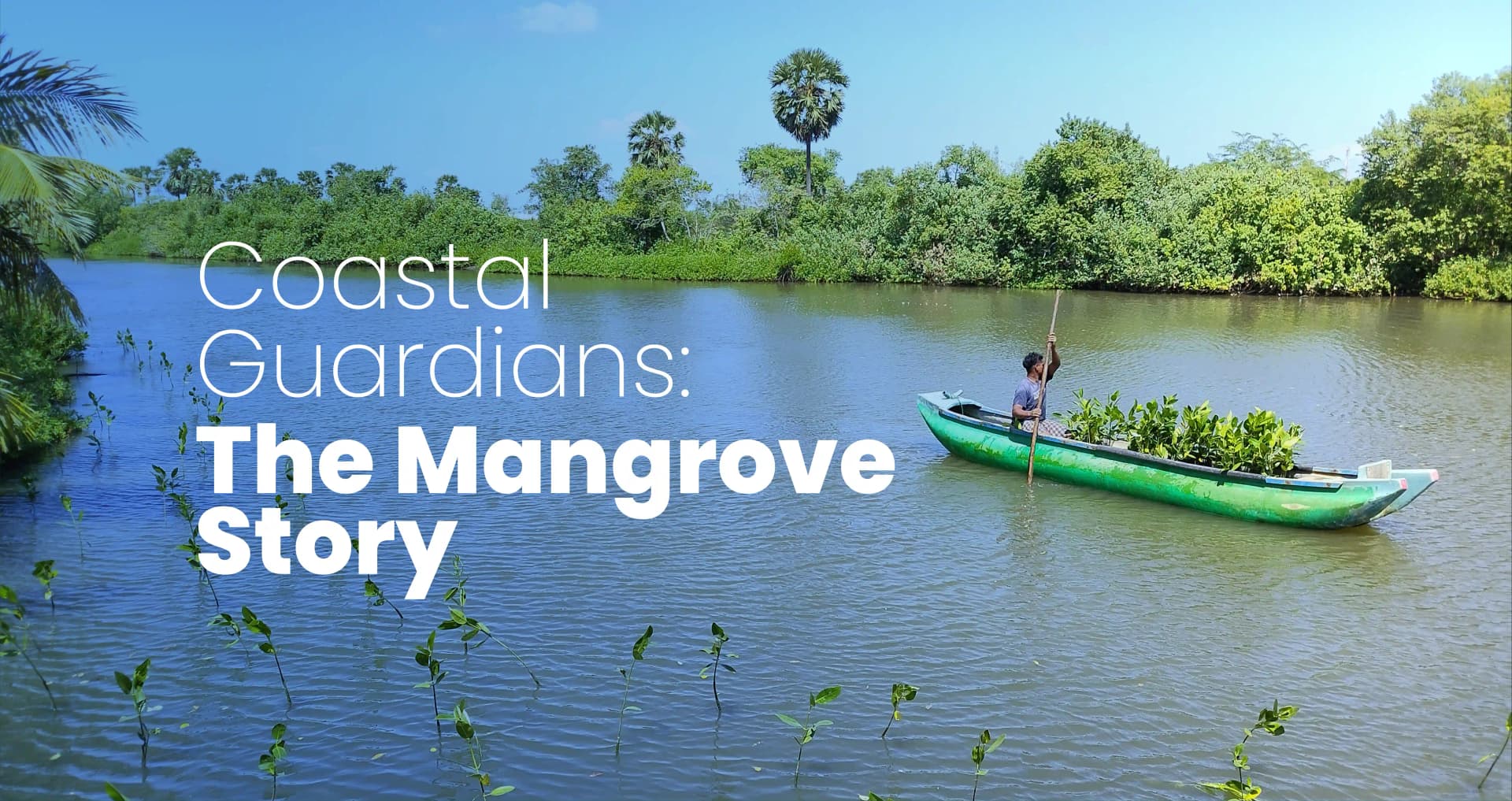
Our restoration work is not just about planting trees; it’s about strengthening mangroves which are nature’s in-built coastal defence systems, improving livelihoods, and building climate-secure communities. Mangroves buffer coastlines from storm surges, store large volumes of carbon, provide nursery habitats for fisheries and support local livelihoods.
Cyclone Ditwah has only accelerated our mission. Where mangrove cover was strong, communities reported less flood impact. Where degradation had occurred over decades, the damage was harsher.
This is why restoring over 4,500 hectares of mangroves along Sri Lanka’s east coast isn’t just environmental work; it is climate adaptation, community protection, and long-term security.
Climate change is no longer an abstract concept confined to research papers. It is here in the flesh, shaping weather, altering coastlines, and affecting families in real time. Our response must therefore be both systemic and human-centered. At ProClime, we are committed to both.
We will continue restoration work on ground, continue listening to and supporting families recovering from the cyclone. Our work building a pro-climate future with local communities as equal partners will be our North Star.
If you’d like to contribute or collaborate with our ongoing efforts, reach out to us.
Learn more about our East Coast Mangroves Project.