Work/Carbon Projects/AFOLU/SALM/ProClime Kisan Bhoomi Samvardhan Sustainable Agriculture & Land Management (SALM) and Alternate Wetting and Drying (AWD) Project in Uttar Pradesh
Driving sustainable agriculture through improved land management, enhancing climate resilience, and promoting efficient water use and agroforestry practices.The ProClime Kisan Bhoomi Samvardhan Sustainable Agriculture & Land Management (SALM) and Alternate Wetting and Drying (AWD) Project in Uttar Pradesh is a large-scale AFOLU initiative designed to advance sustainable farming practices, optimize water use, and strengthen long-term climate resilience. Spanning 300,000 hectares, the project focuses on improving soil health, enhancing agricultural productivity, and promoting climate-resilient farming systems while generating measurable carbon benefits.
Scale and Climate Impact
Covering 300,000 hectares across the Shamli and Saharanpur districts in Western Uttar Pradesh, the project is positioned to deliver significant emission management potential alongside improvements in soil health, water efficiency, and overall farm productivity.
Long-Term Sustainability Commitment
A 40-year permanence period ensures that the environmental, agricultural, and carbon benefits generated by the project are sustained over decades, reinforcing long-term resilience and impact.
Credible and Standardised Framework
The project is implemented under the VM0042 methodology, providing a structured and globally recognised framework for monitoring, reporting, and verification of emission reductions and sustainable land management outcomes.
Strategic Regional Implementation
Located in the Shamli and Saharanpur districts of Western Uttar Pradesh, with a tentative start date of 1 June 2027, the project is tailored to regional agricultural conditions. By integrating SALM and AWD practices, it establishes a scalable and replicable model for sustainable land and water management in intensive agricultural landscapes.
The ProClime Kisan Bhoomi Samvardhan Sustainable Agriculture & Land Management (SALM) and Alternate Wetting and Drying (AWD) Project in Uttar Pradesh is an AFOLU initiative focused on improving land use practices and agricultural systems across the Shamli and Saharanpur districts in Western Uttar Pradesh. Spanning a total area of 300,000 hectares, the project is designed to support the adoption of sustainable farming methods that enhance soil health, optimize water usage, and strengthen climate-resilient agricultural practices while contributing to measurable climate benefits.
With a tentative project start date of 1 June 2027, the initiative is structured for long-term impact, with a permanence period of 40 years. This extended timeframe reflects a commitment to maintaining consistent land management and water-efficient practices, ensuring that environmental and agricultural outcomes are sustained over decades. The project applies the VM0042 methodology, providing a defined framework for monitoring, reporting, and verification of outcomes related to land use, emissions, and sustainable agricultural interventions.
As a large-scale AFOLU project, it is expected to deliver significant emission management potential over its lifetime, demonstrating its capacity to contribute meaningfully to climate mitigation efforts. By integrating SALM and AWD practices, the initiative supports improved soil health, efficient irrigation, and enhanced farm productivity, while enabling farmers to transition towards more sustainable and climate-resilient agricultural systems.
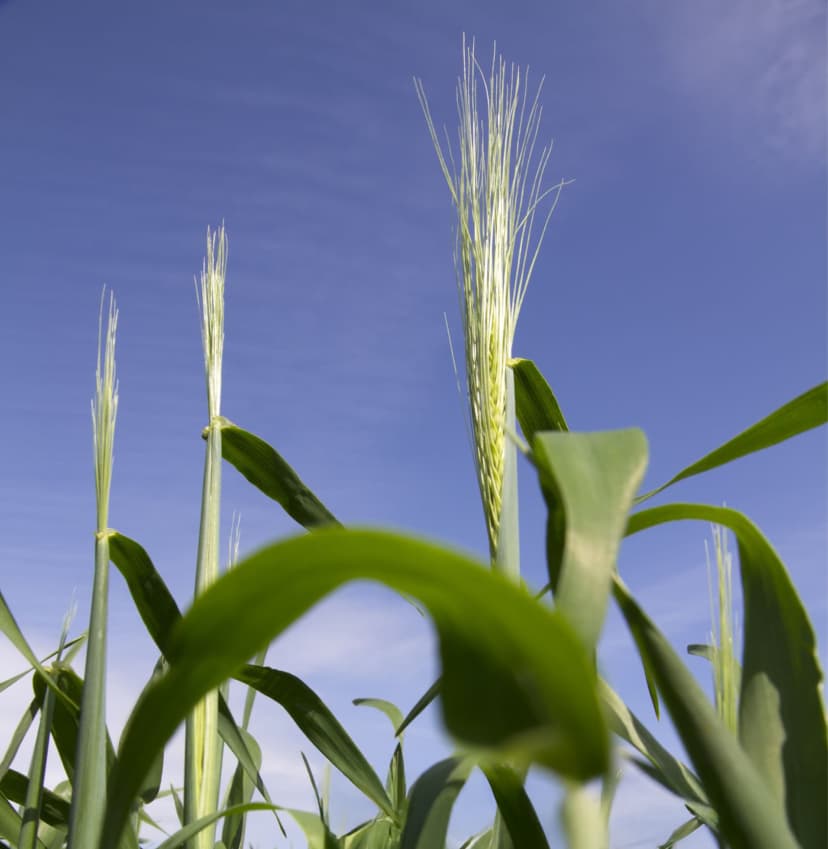
The ProClime Kisan Bhoomi Samvardhan Sustainable Agriculture & Land Management (SALM) and Alternate Wetting and Drying (AWD) Project is grounded in the science of biogeochemical carbon cycling, where atmospheric CO₂ is captured through photosynthesis and stored in plant biomass and soils. A key focus within AFOLU systems is soil organic carbon (SOC)—a stable carbon pool formed from plant residues, root biomass, and microbial activity. Enhancing SOC improves soil structure, water retention, and nutrient cycling, while serving as a long-term carbon sink. In parallel, AWD practices regulate water use in paddy cultivation, reducing methane emissions by limiting prolonged flooding conditions.
VM0042 Methodology: Soil Carbon and Emissions Science
Under Verra’s VM0042 methodology, emission reductions are achieved through improved agricultural land management practices such as optimized irrigation, efficient fertilizer use, and soil conservation. The integration of SALM and AWD enhances soil carbon while reducing greenhouse gas emissions, particularly methane and nitrous oxide.
Scientifically, VM0042 requires direct measurement of SOC using validated techniques, along with periodic soil sampling to monitor changes over time. Baseline comparisons with historical practices ensure additionality, confirming that emission reductions and carbon gains are incremental. This approach ensures that outcomes are measurable, conservative, and verifiable.
Carbon Sequestration and Emission Reduction Mechanisms
The project delivers climate impact through multiple pathways, including soil carbon accumulation from root biomass and residues, methane reduction through AWD in rice systems, and improved nutrient efficiency to lower emissions. These processes are interconnected, with better soil and water management supporting both productivity and long-term carbon benefits.
Alignment with Global Frameworks
The VM0042 methodology provides a recognised framework for soil carbon projects globally. Continuous improvements in soil sampling and monitoring further enhance the accuracy and credibility of carbon accounting in SALM and AWD interventions.





ProClime Karnataka Hasiru Bhoomi Climate Smart Agriculture and Agroforestry Project
Location: Karnataka, india
View Details
ProClime HIM Evergreen Integrated Climate Smart Agriculture, and Agroforestry Program
Location: Himachal Pradesh, india
View Details