Projects/Nature Based Solutions/Blue Carbon/Mangrove Afforestation, Reforestation and Conservation/East Coast Mangroves-Restoration Project in Sri Lanka [Project ID: 5874]
Tidal Mangrove Forest Restoration Project - East Coast, Sri Lanka
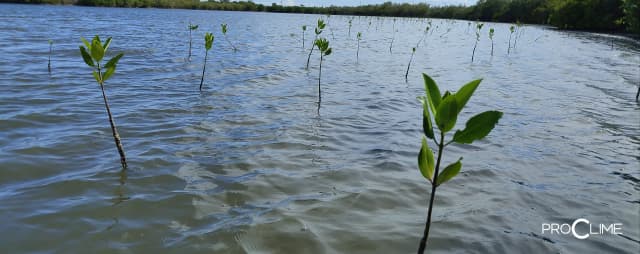
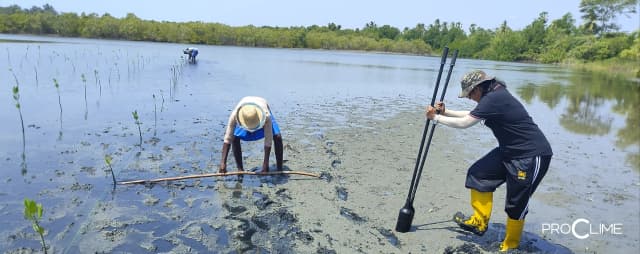
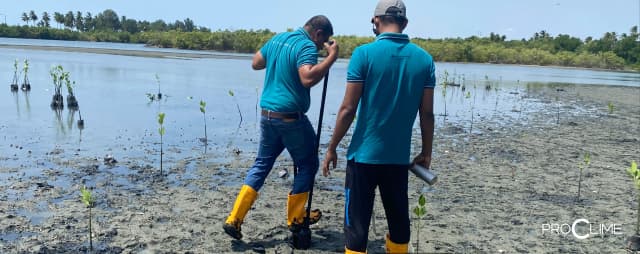
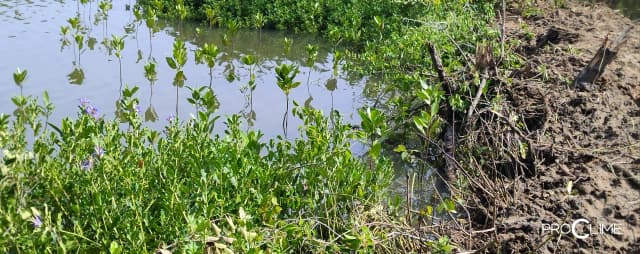
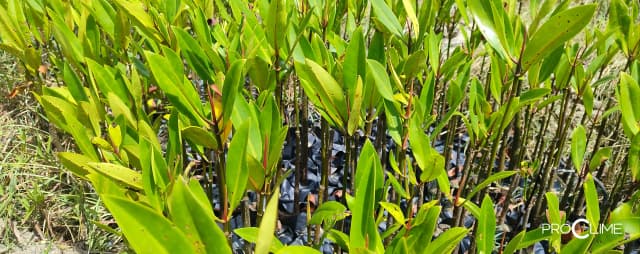
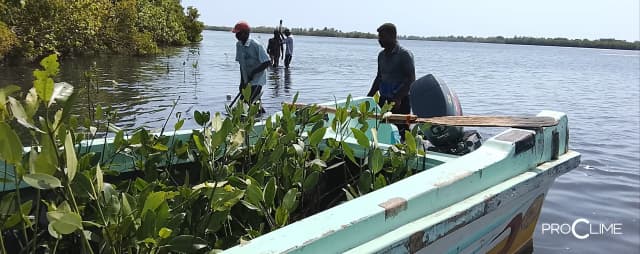
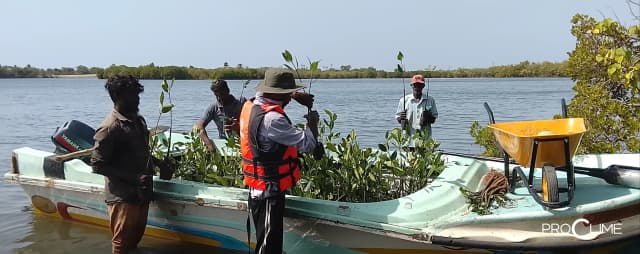
The East Coast Mangrove Restoration Project in Sri Lanka's Eastern Province is a long-term ecosystem restoration initiative focused on reviving 4,527 hectares of degraded mangrove landscapes across Ampara, Batticaloa, and Trincomalee. Guided by the VM0033 methodology, the project integrates science-based restoration practices, including the replanting of native mangrove species and hydrological rehabilitation, to restore critical coastal ecosystems and enhance their resilience over a 40 to 100-year permanence period.
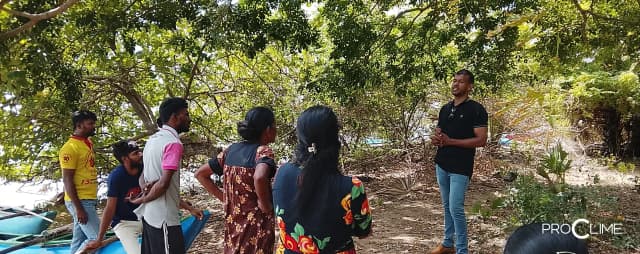
Beyond ecological restoration, the project is designed to deliver meaningful climate and community benefits by managing an estimated 3.9+ million tCO₂e of emissions through enhanced carbon sequestration. By actively involving local communities in conservation activities and creating sustainable livelihood opportunities through nature-based enterprises, the initiative aims to strengthen biodiversity, reduce coastal vulnerability, and promote long-term socio-economic resilience along Sri Lanka's East Coast.
The Eastern Province of Sri Lanka boasts 50.84 sq.km. of "True mangrove forests". These unique and valuable ecosystems are crucial for biodiversity, coastal protection, and carbon sequestration. However, human activities like deforestation, land reclamation, and climate change have severely degraded these true mangrove forests. Urgent action is needed to protect and restore these vital ecosystems. This project is an opportunity to dedicate long-term efforts for restoration activities and enhance local community livelihoods in Sri Lanka’s East coast for the next 40 years.
This project's long-term efforts will focus on revitalizing these habitats, safeguarding biodiversity, strengthening coastal resilience, and empowering local communities through sustainable economic opportunities. This multifaceted approach aims to significantly improve the well-being and environmental resilience of the communities who depend on these precious coastal resources.
To achieve this, our strategy involves a science-backed approach to mangrove restoration, coupled with active engagement of local communities. By understanding the unique adaptations of mangroves and implementing effective replanting techniques, alongside fostering sustainable livelihoods and ensuring community ownership, we aim to create lasting positive change for both the environment and the people of Sri Lanka's East coast.
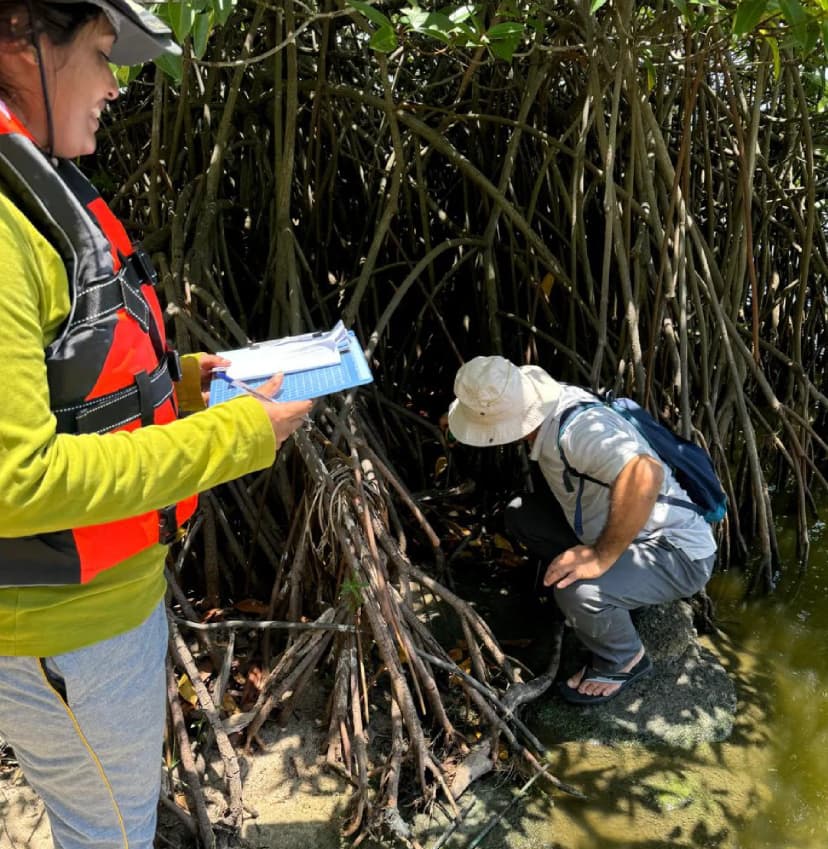
Mangrove forests stand out as exceptionally efficient carbon sinks, sequestering three to five times more carbon per hectare compared to terrestrial forests. Their dense structure and waterlogged, low-oxygen soils allow for carbon retention over centuries, highlighting their crucial role in climate change mitigation. The science underpinning our project involves understanding these unique adaptations, such as the specialized roots that enable mangroves to thrive in saline, waterlogged environments. Restoration efforts will focus on replanting native species like Rhizophora and Avicennia in carefully selected areas based on tidal patterns, soil salinity, and hydrology.
Beyond carbon sequestration, Eastern Province mangroves are vital for reducing coastal erosion and supporting biodiversity. Recognizing threats like overexploitation, our strategy combines practical restoration with initiatives that promote sustainable economic growth for local communities. This ensures they are key partners in conservation through alternative livelihoods and eco-friendly enterprises.
By implementing this comprehensive approach, our goal is to restore vital mangrove habitats, leading to increased biodiversity and coastal protection against natural disasters. Ultimately, these ecological improvements will positively impact the quality of life for the communities who call the Eastern Province home, fostering both environmental health and sustainable livelihoods.
Carbon sequestration capacity of mangrove, Sri Lanka. K.A.R.S. Perera, M.D. Amarasinghe

Author : K.A.R.S. Perera, M.D. Amarasinghe
https://doi.org/10.1016/j.geoderma.2019.03.041
Atmospheric carbon removal capacity of a mangrove ecosystem, Sri Lanka.
https://doi.org/10.1016/j.atmosenv.2016.03.034
Carbon stocks in mangrove ecosystems of Sri Lanka.
https://doi.org/10.1016/j.ocecoaman.2024.107357
Mangrove floristic diversity and distribution of biomass carbon
DOI: 10.4038/cjs.v52i1.8108
Mangrove forest in Sri Lanaka
https://doi.org/10.1016/j.rsma.2023.102932
Sri Lankan Mangroves: Biodiversity, Livelihoods, and Conservation
10.1007/978-981-19-0519-3_13