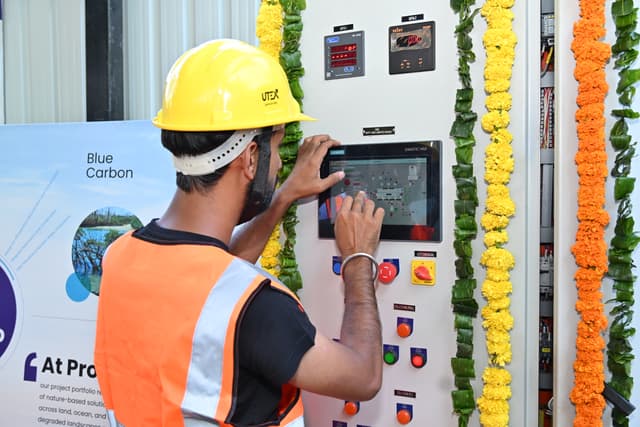
Work/Project By Geography/India/ProClime HIM Evergreen Biochar Project
Biochar Production from Pine Biomass for Carbon Removal and Forest Fire Risk Reduction
Forest Fire Risk Mitigation into Climate Action
Chir pine needles accumulate extensively across the Western Himalayan region, creating a substantial seasonal forest fire hazard. Their collection and utilisation provide an opportunity to integrate forest fire risk management with climate mitigation.
The commercial facility will establish a larger biomass collection and processing network, supporting systematic pine needle removal from designated forest areas. Collected biomass will be transported to the production facility, where controlled pyrolysis will convert it into stable biochar.
The project aims to generate multiple environmental and socioeconomic benefits:
The Himachal Pradesh Biochar Carbon Removal Project is a proposed commercial-scale facility designed to convert highly flammable chir pine (Pinus roxburghii) needles into stable, carbon-rich biochar. With a biomass processing capacity of 30 tonnes per day (TPD), the facility aims to deliver approximately 4,100 tonnes of net CO₂-equivalent removals annually.
The project combines durable carbon removal, forest fire risk reduction, sustainable forest management and rural livelihood development. By collecting pine needles from forest areas and converting them into biochar through controlled pyrolysis, the project aims to reduce combustible litter on forest floors while creating a long-term carbon sink.
The project targets carbon storage for more than 200 years, with a persistence fraction exceeding 80%, in alignment with the intended requirements of the Isometric CORC200+ framework. The facility will also support research and development, technology optimisation and improvements in biochar applications.
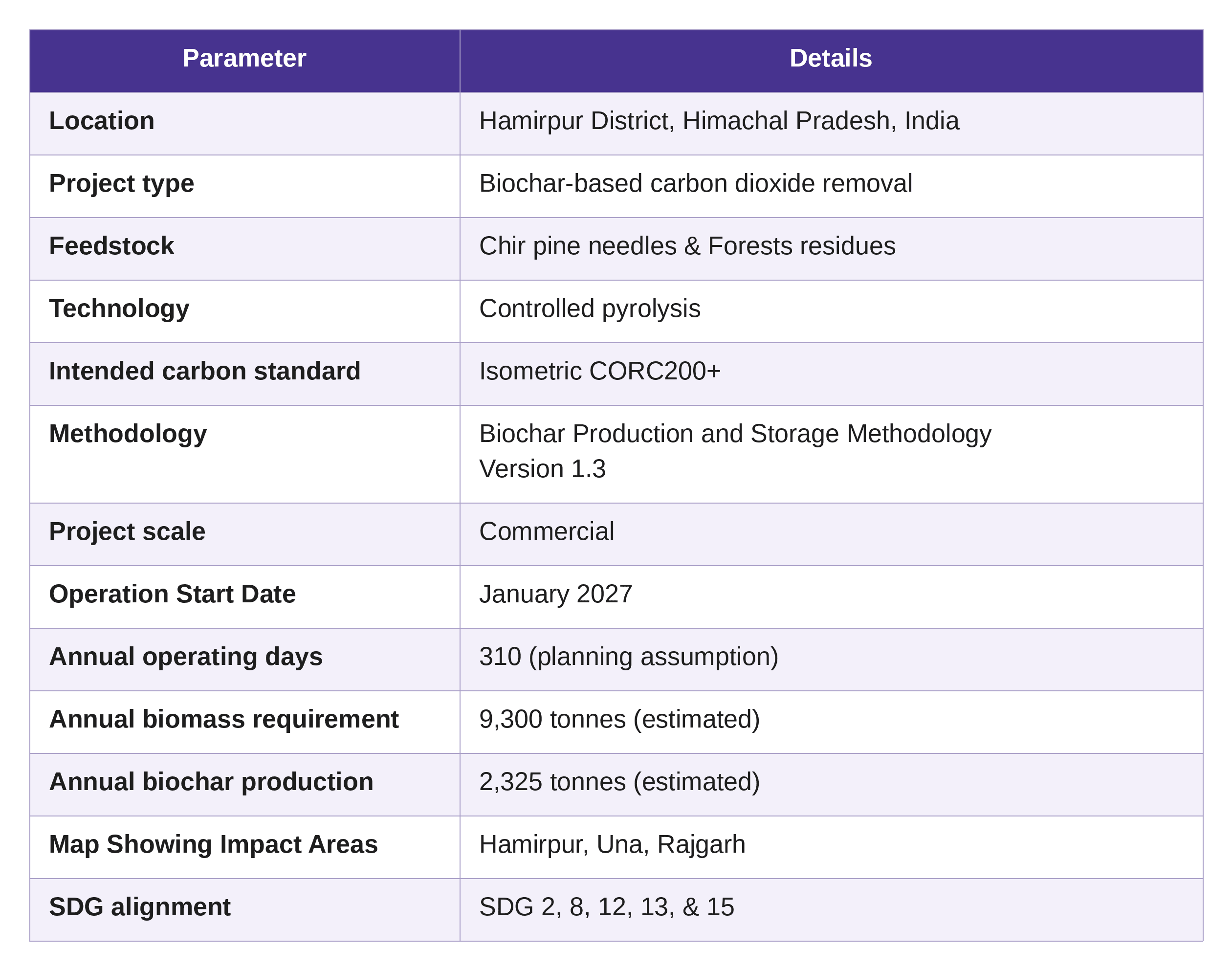
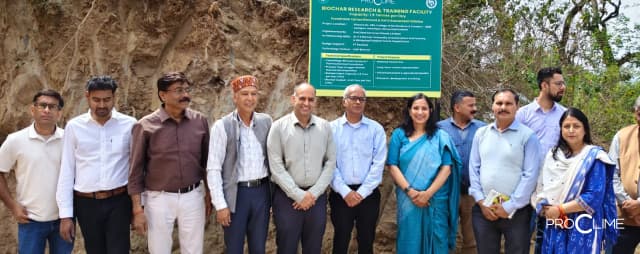
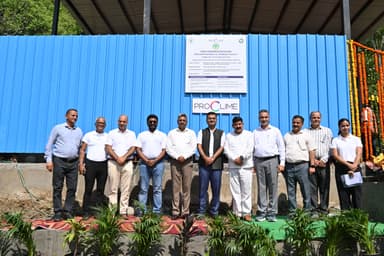
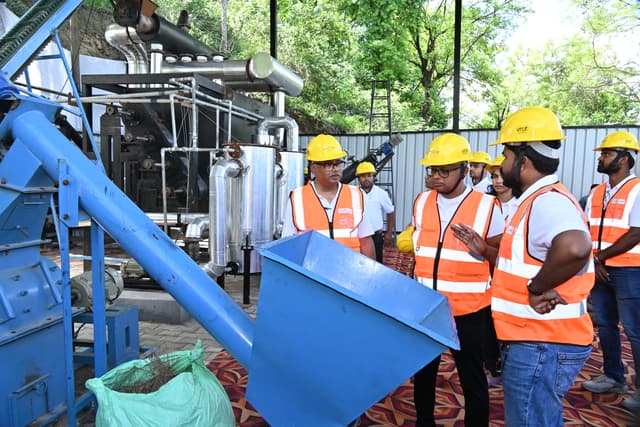
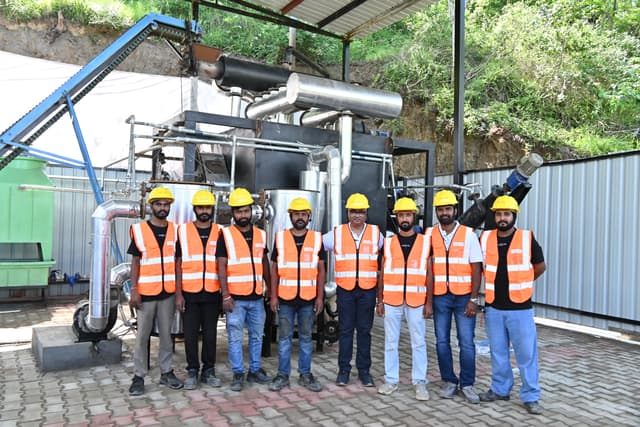
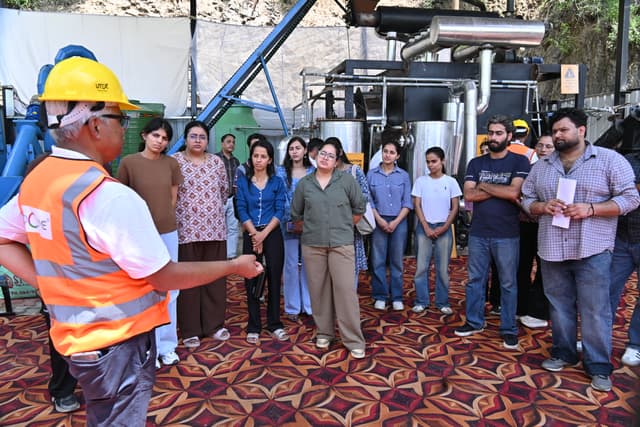
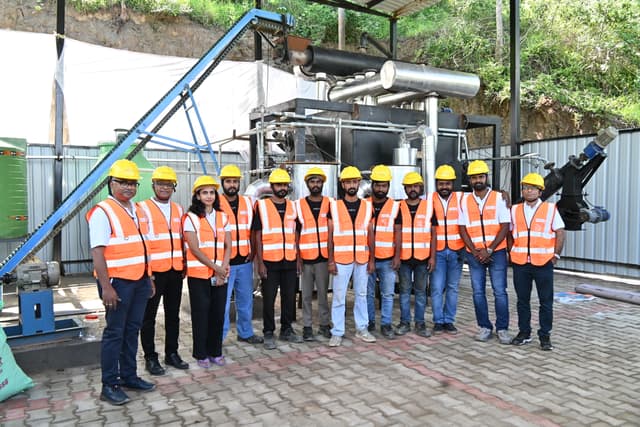
The project proposes the establishment of a 30 TPD biochar production facility in Hamirpur District, Himachal Pradesh. It will convert locally collected chir pine needles into high-quality biochar using controlled pyrolysis technology.
The facility is designed to process approximately 9,300 tonnes of pine needle biomass annually, assuming 310 operating days. Based on the pilot project's biochar conversion yield of approximately 25%, the commercial facility could produce approximately 2,325 tonnes of biochar annually.
The project targets approximately 4,100 tonnes of net CO₂e removals per year, subject to validation of its carbon accounting, production performance and lifecycle emissions.
Chir pine needles accumulate extensively across the Western Himalayan region, creating a substantial seasonal forest fire hazard. Their collection and utilisation provide an opportunity to integrate forest fire risk management with climate mitigation.
The commercial facility will establish a larger biomass collection and processing network, supporting systematic pine needle removal from designated forest areas. Collected biomass will be transported to the production facility, where controlled pyrolysis will convert it into stable biochar.
The project aims to generate multiple environmental and socioeconomic benefits:
Estimated annual production and removal
Biomass input and biochar production are calculated estimates. Net removal is the stated commercial project target.
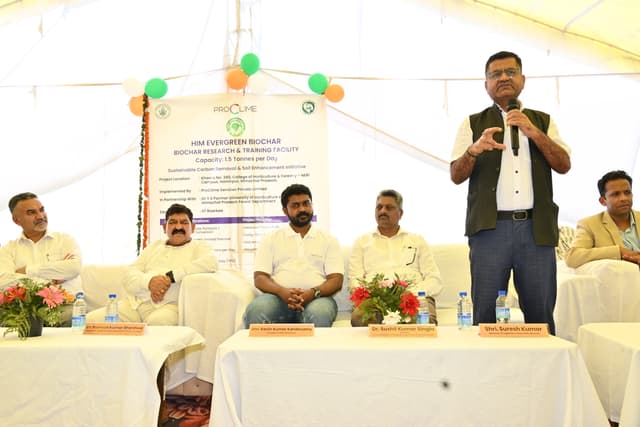
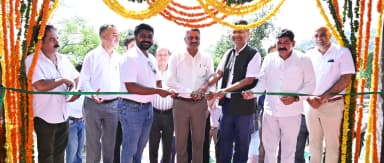
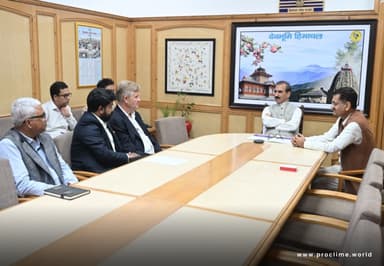
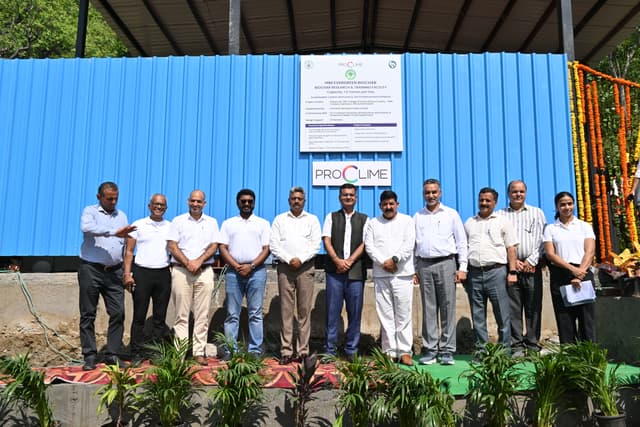
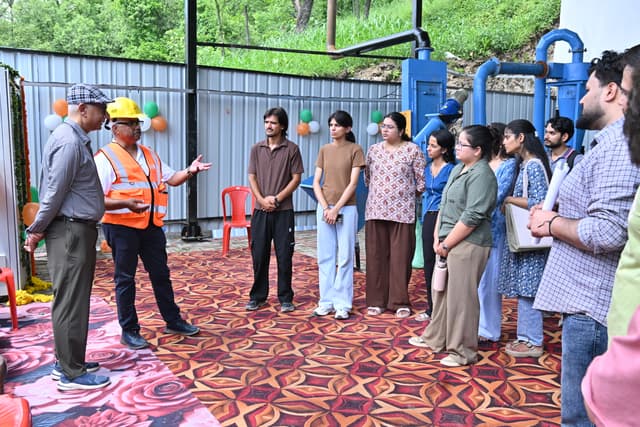
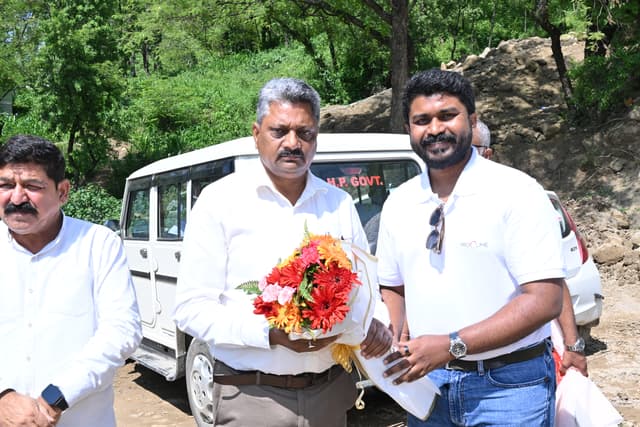
The proposed 30 TPD biochar production facility will be developed in collaboration with the Himachal Pradesh Forest Department. The project is currently in the development phase, with commissioning planned for January.
Once operational, the facility will convert chir pine needles into stable biochar, supporting sustainable forest biomass management, forest fire risk reduction and long-term carbon removal.
The project will focus on establishing an efficient biomass collection network, optimising pyrolysis technology, developing local supply chains, maintaining biochar quality and implementing robust carbon accounting procedures.
The facility is also expected to support research and development, technical training and continuous improvements in biochar production and applications.
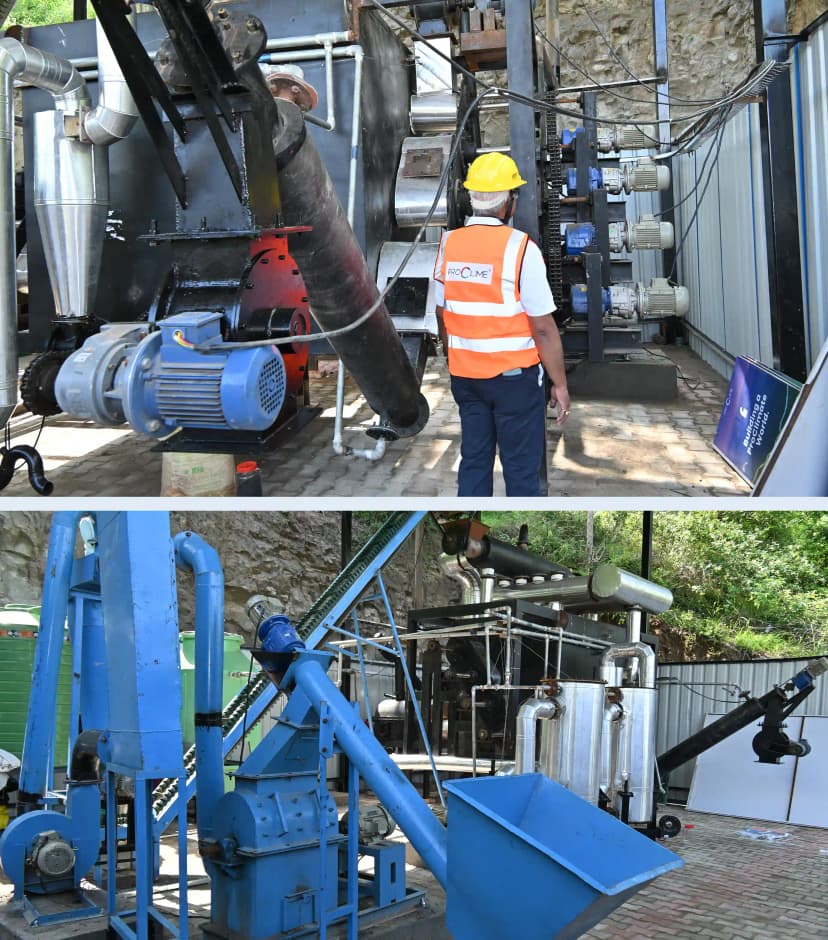
Biochar is a stable, carbon-rich material produced by heating biomass under oxygen-limited conditions through a thermochemical process known as pyrolysis.
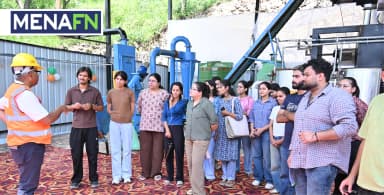
At the proposed 30 TPD facility, chir pine needles will undergo controlled pyrolysis to produce biochar, combustible gases and condensable vapours.
During pyrolysis, part of the carbon originally absorbed from the atmosphere through photosynthesis is converted into stable aromatic carbon structures. When appropriately produced and applied, biochar can retain a substantial portion of this carbon for centuries.
The project targets a persistence fraction exceeding 80% over 200 years. Achieving this target will depend on feedstock characteristics, operating conditions, biochar quality, end use and the applicable carbon removal methodology.
Pyrolysis temperature, residence time and feedstock characteristics influence the chemical stability and carbon content of the resulting biochar.
Higher pyrolysis temperatures, typically above 500°C, generally promote the formation of condensed aromatic carbon structures that are more resistant to biological degradation and environmental oxidation.
Two important indicators of biochar stability are its hydrogen-to-organic-carbon (H/Corg) and oxygen-to-carbon (O/C) ratios. Lower ratios are generally associated with greater aromaticity and chemical stability.
The commercial facility will aim to maintain consistent operating conditions and implement laboratory testing to monitor biochar quality, carbon content and stability.
1. Biochar — Solid
The primary carbon removal product. Intended for long-term carbon storage in suitable soils and other approved applications, with potential benefits for soil structure, water retention and nutrient management.
2. Syngas — Gas
A combustible gas mixture that may contain carbon monoxide, hydrogen and methane. Subject to the plant's design, recovered gases can supply thermal energy to the pyrolysis process, reducing external fuel requirements.
3. Bio-oil — Liquid
Condensable pyrolysis vapours may be recovered as bio-oil, depending on the technology configuration. Potential uses include industrial fuel or further processing, subject to product quality and environmental requirements.
4. Wood Vinegar — Liquid
Liquid By‑Product Produced during the condensation of pyrolysis vapors, wood vinegar is a natural acidic liquid rich in organic compounds. It is widely applied in agriculture as a bio stimulant, pest repellent, and soil enhancer.
The commercial facility aims to produce biochar suitable for a range of environmental and industrial applications.
Agriculture and soil enhancement
Potential improvements in soil structure, water retention, nutrient availability and microbial habitat.
Durable carbon removal
Long-term carbon storage through eligible, monitored end uses under the applicable carbon removal standard.
Carbon Removal and Monitoring
The project intends to follow the Isometric CORC200+ framework for durable carbon removal.
Its monitoring, reporting and verification activities will need to address biomass sourcing, feedstock moisture, production volumes, biochar carbon content, permanence, transport and processing emissions, and the traceability of final biochar applications.
Net carbon removal will be determined after accounting for relevant lifecycle emissions and applying the required permanence and uncertainty adjustments.
Fallen pine needles could help India cut carbon emissions

Author : Vandana K.
Publication : Mongabay
https://india.mongabay.com/2025/08/fallen-pine-needles-could-help-india-cut-carbon-emissions/
Turning pine needles from fire risk to renewable fuel
Author : Ranjit Devraj
Publication : SciDevNet
https://www.scidev.net/asia-pacific/news/turning-pine-needles-from-fire-risk-to-renewable-fuel/
Physics-Based Modelling of Pine Needle Surface Fires and a Single Douglas Fir Tree: Comparison with Experiments
Author : Mohamed Sharaf, Duncan Sutherland,Rahul Wadhwani and Khalid Moinuddin
Publication : mdpi
https://www.mdpi.com/2571-6255/9/3/112
PINE NEEDLES FOR BIOFUEL PRODUCTION TO MANAGE FOREST FIRE AND ENVIRONMENT CONSERVATION IN HIMACHAL PRADESH
Author : Dheeraj Kumar, R K Aggarwal
Publication : Agri Journal World
https://journalworlds.com/agri-journal-world/article-pdf/pine-needles-for-biofuel-production-to-manage-forest-fire-and-environment-conservation-in-himachal-pradesh
Pyrolysis of pine needles: Parameter optimization using response surface methodology
Author : Omvesh, Meenu Jindal, Bhaskar Thallada, Venkata Chandra and Sekhar Palla
Publication : ScienceDirect
https://www.sciencedirect.com/science/article/abs/pii/S2589014X23000786
A critical review on biochar production from pine wastes, upgradation techniques, environmental sustainability, and challenges
Author : Amit Kumar Sharma, Praveen Kumar Ghodke, Nishu Goyal, Prakash Bobde, Eilhann E. Kwon, Kun-Yi Andrew Lin, Wei-Hsin Chen
Publication : ScienceDirect
https://www.sciencedirect.com/science/article/abs/pii/S096085242301060X